Abstract The brain renin-angiotensin system (RAS) has available the necessary functional components to produce the active ligands angiotensins II (AngII), angiotensin III, angiotensins (IV), angiotensin (17), and angiotensin (37)
Mitragotri, S., Burke, P
It was built to measure efficacy while the randomized treatment period was running
Current dosing patterns rest on the parent CJC-1295 research above, the physiology of GHRH signaling, and the simple fact that the No DAC version uses the same receptor with a much shorter half-life
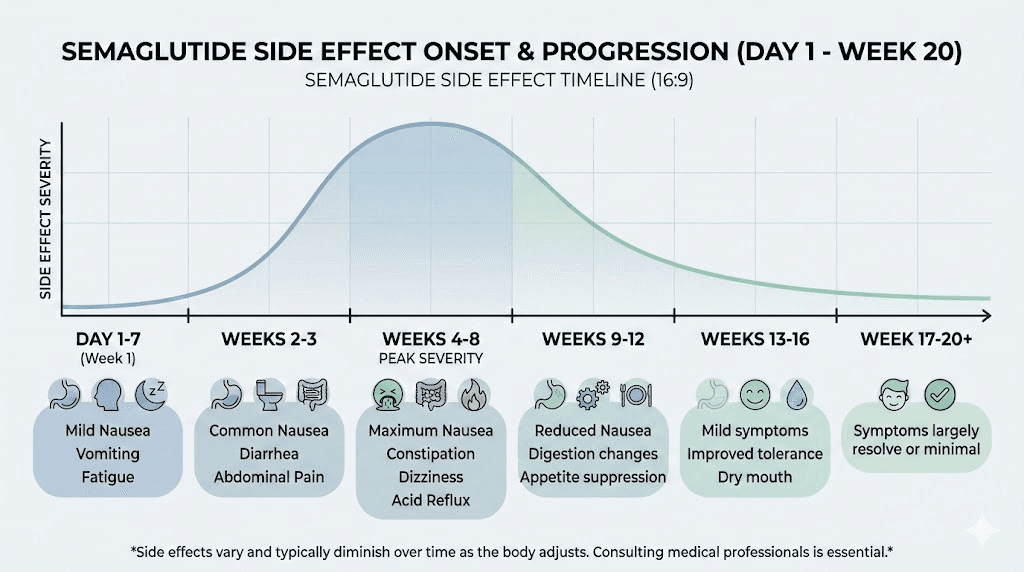
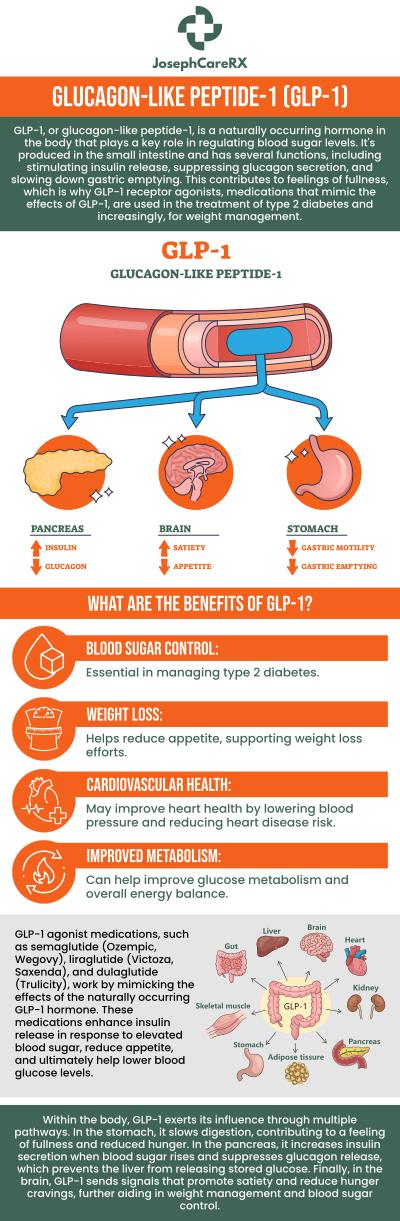
Risks and Benefits of Semaglutide and other GLP-1 Medications While the benefits of GLP-1 medications are substantial, it's crucial to address the risks
**Quick calculator (30mg vial at 10mg/ml):** | Weekly Dose | Volume per Injection | Syringe Units | Doses per Vial | |------------|---------------------|---------------|----------------| | 1mg | 0.10ml | 10 units | 30 doses | | 2mg | 0.20ml | 20 units | 15 doses | | 4mg | 0.40ml | 40 units | 7.5 doses | | 8mg | 0.80ml | 80 units | 3.75 doses | | 12mg | 1.20ml | Split: 60 units x2 | 2.5 doses | ## Universal Mixing Calculator Use this formula for any vial size and desired concentration: **BAC Water (ml) = Vial Size (mg) Desired Concentration (mg/ml)** **Injection Volume (ml) = Desired Dose (mg) Concentration (mg/ml)** **Syringe Units = Injection Volume (ml) 100** ### Example Calculation You have a 50mg vial and want 10mg/ml concentration: - BAC water: 50mg 10mg/ml = 5.0ml - For a 4mg dose: 4mg 10mg/ml = 0.4ml = 40 units - For an 8mg dose: 8mg 10mg/ml = 0.8ml = 80 units ## Which Vial Size Should You Choose










![Aetna Glp 1 Coverage: The Ultimate Guide To Your Weight Loss Medication Benefits [nCengXgApb9]](https://img.youtube.com/vi/II32EHhjFqQ/hqdefault.jpg)